
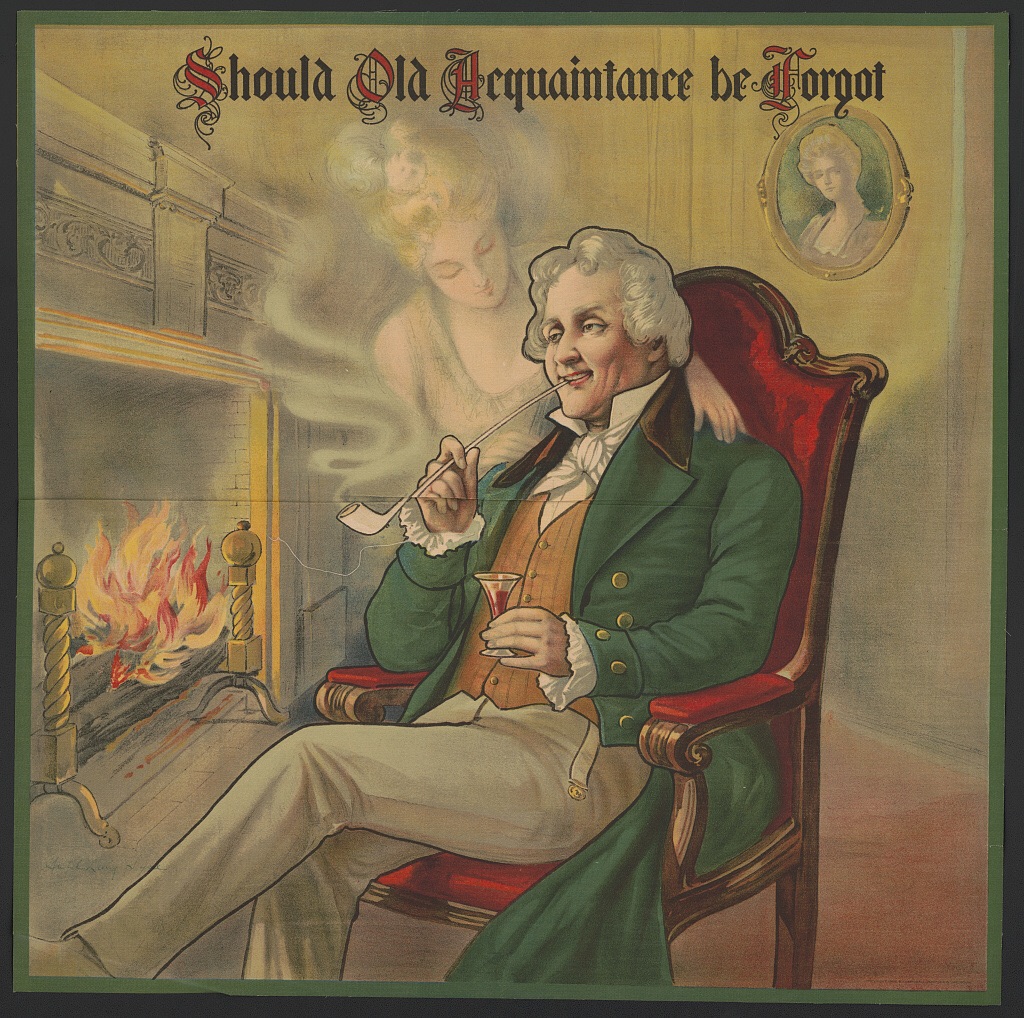
While the flipping of the calendar year is often met with celebration, it is typically done while looking at hope and dreams of the future. And that makes sense – the past few years have been weird and rough for… (searches the internet) huh – everyone! Surviving another year inevitably feels like a victory. Even if we’re not sure what we’re looking forward to, we can at least say we got through what’s now behind us. Which is the standard order of things.
Because of that, there isn’t much celebratory “farewell” within our end of year bashes. But, in a lovely example of… irony? No. Self-reference? No. Circular something or other? Whatever… In a lovely example of being an example of itself, Auld Lang Syne, THE New Year song, is sung enthusiastically about remembering the good times and people that got us here. I’m not the nostalgic sort, but it’s great to have a very old song about remembering the past being used to remember the past. Was Auld Lang Syne ever a new song? It works so well as a farewell song because we haven’t said farewell to IT. How many people have sung the half-remember and hazily-understood lyrics and thought of a loved one? And now we all share the memory of using the very same song to connect with our very singular pasts.
And there’s a hand my trusty friend!
And give me a hand o’ thine!
And we’ll take a right good-will draught,
for auld lang syne.
(Standard English remix of the Robert Burns cover of Auld Lang Syne)
To be fair, it’s also a drinking song. That’s why we sing it. And perhaps the lyrics aim to fight the memory damage wrought by drinking.
It’s not an uncommon hear the song at graduations, weddings, and (obviously) funerals. It looks backwards, not with longing and regret, but with love and appreciation. A perfect way to enjoy a first/last moment of the year; the past celebrated, the present enjoyed, and the future unconsidered. And when you cast your mind back to times worthy of recollection, think of all the people in the past centuries who you’ve now shared a moment with. For auld lang sine.
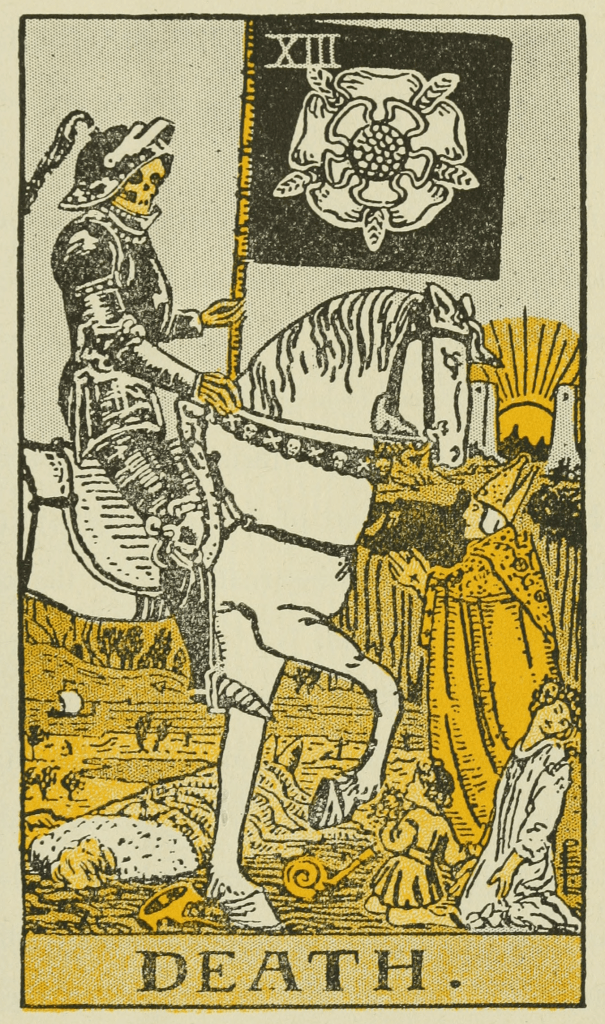

 Death Becomes You