
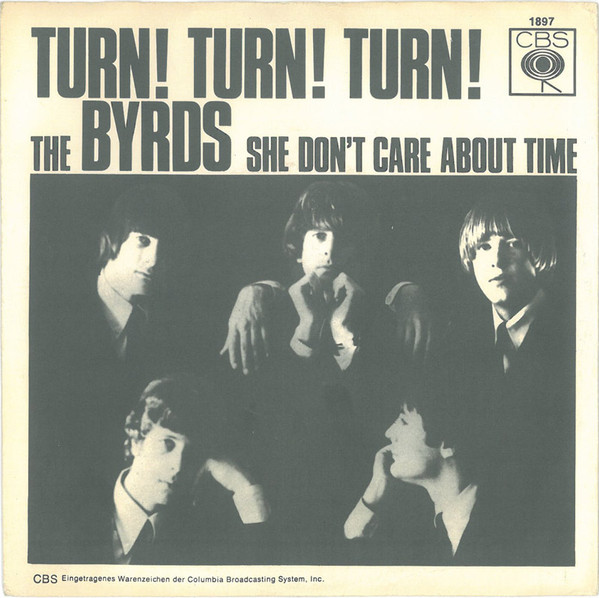
Best said by Ecclesiastes through Pete Seeger1 to the Byrds –
To everything (Bible) Turn, turn, turn (Seeger) There is a season (Bible) Turn, turn, turn (Seeger) And a time to every purpose under Heaven (SeegerBible)
The seasons are turning! Autumn is in the air and I am delighted. There are so many visceral joys of the season – the crisp air hitting your nose in the morning, the satisfying crunch of walking through leaves, not to mention the wonderful crunch of a crisp apple, as well as the many things that don’t involve “crisp” or “crunch.”
But my love of autumn is related to both to the immediate feeling of the season as well as what it represents.
The true beauty of autumn is its ephemerality. It’s a season in constant movement. If you want summer heat all the time – deserts and beaches are ready and waiting for you. Love the verdant growth of spring? Rain forests should do the trick nicely. And winter locations are both plentiful and obvious. But you can never have Forever Fall (TM – Emo band name). The season of autumn is the feeling of change, that’s its essence! It is the season where the passage of time can be easily witnessed in the nature. Death is part of the story. So is preparation. And rejoicing. Autumn has it all.
For the better part of the past 1500 years in the western world, Fall/Autumn was called “Harvest” – it was the season and the activity (“I summer at the shore, but harvest at the farm”). Harvest was a big part of life for most – reaping what you sow was never more literal. It’s the time of year for the farmer to collect crops and slaughter animals and celebrate! But also there is cleaning and preparing. Ensuring the winter will be survivable and the spring will be ready. You don’t just reap and quit! And you don’t skip reaping one year just because it’s not what speaks to you! Harvest is part of the cycle of life!
And much like autumn itself, reaping is best enjoyed contextually. Its highs are higher when considered what comes before and after. You’ve gotten through the hard work of spring and the hot work of summer. And you know you’ll have to prepare for winter. But take a minute to gather and enjoy your success.
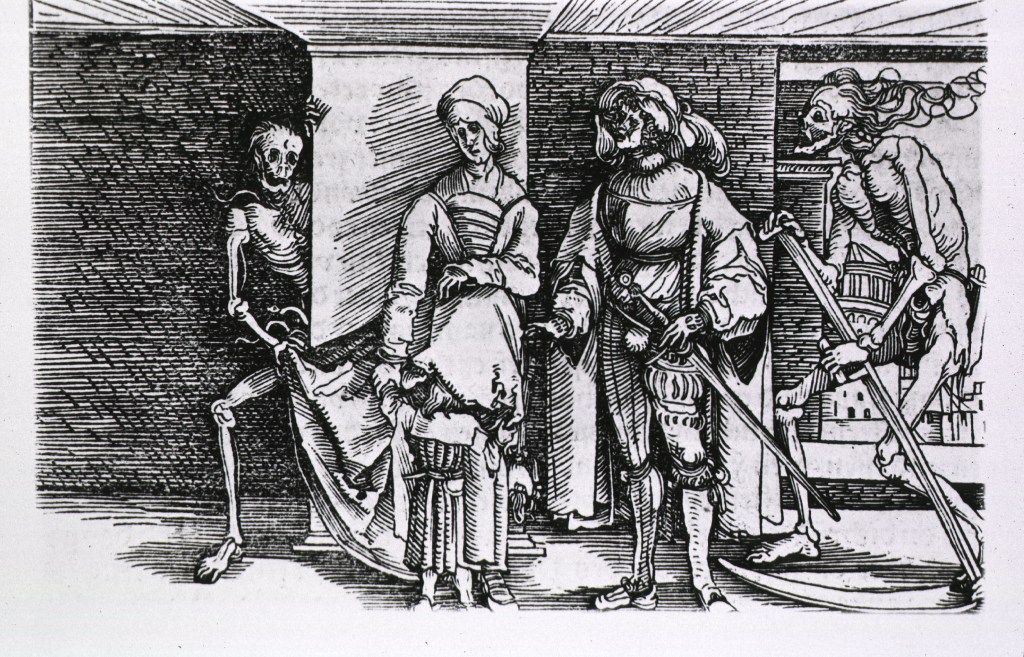
Petrarca, Francesco, 1304-1374
As people moved away from farming life, the term Harvest dropped away as well, to be replaced by greater usage of the word autumn and the new usage of the word Fall (apparently short for “Fall of the leaf” – so that’s… fine). But with the use of fall, the cyclical context of harvest began to drop away as well. The skeleton that had long represented death was no longer a psychopomp and part of the wheel of life, it instead becomes the Grim Reaper, a haunting figure to be avoided at all costs. He reaps only in the greedy, capitalist way – taking without ever having sown and with no plans to plant. Pete Seeger (and probably the Bible) would not be on board. As Mr. Seeger said, “To My Old Brown Earth”
To my old brown earth
And to my old blue sky
I'll now give these last few molecules of "I"
People tied to labor -whether during the middle ages, the industrial revolution, or the modern age- seem to have a more holistic connection to death. A better understanding of their place in the greater cycle of things. Joe Hill, labor activist and songwriter in the early 1900’s, was a key contributor to the Little Red Song Book (one of Seeger’s favorite books). His last contribution to the book was his own will, written the form of a song (a practice that never really took off, best I can tell):
My will is easy to decide
For there is nothing to divide
My kin don't need to fuss and moan
"Moss does not cling to rolling stone"

My body? Oh, if I could choose
I would to ashes it reduce2
And let the merry breezes blow
My dust to where some flowers grow

Perhaps some fading flower then
Would come to life and bloom again.
This is my Last and final Will.
Good Luck to All of you
Joe Hill
Autumn is a season that shows how death has a place within our world as a part of life – not outside of it. Fall is fleeting – but what isn’t? Ecclesiastes says it best: A time to dance, a time to mourn
- Mr. Seeger was reasonable about his claim to authorship – splitting the song royalties 55% / 45% with the Israeli Committee Against House Demolitions. In a 2002 interview with Acoustic Guitar magazine, Pete Seeger said, “With ‘Turn, Turn, Turn’ I wanted to send 45 percent, because [in addition to the music] I did write six words (“I swear it’s not too late” at the end) and one more word repeated three times, so I figured I’d keep five percent of the royalties for the words.” ↩︎
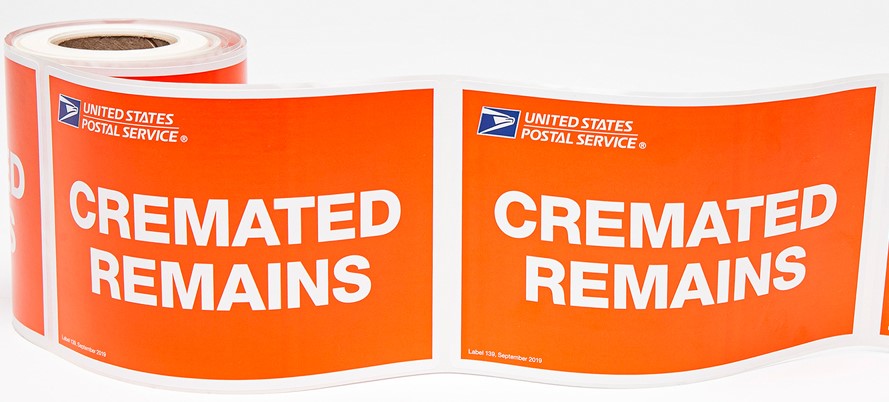
- And cremated he was! On January 3rd, 1917 his ashes were sent out in 600 envelopes to fellow activist and sympathizers, with his remains being cast to the four winds, minimum ↩︎


 Death Becomes You