
`

You don’t get one foot in the door until you’ve got one foot in the grave.
Roy Blount Jr.
`
You don’t get one foot in the door until you’ve got one foot in the grave.
Roy Blount Jr.
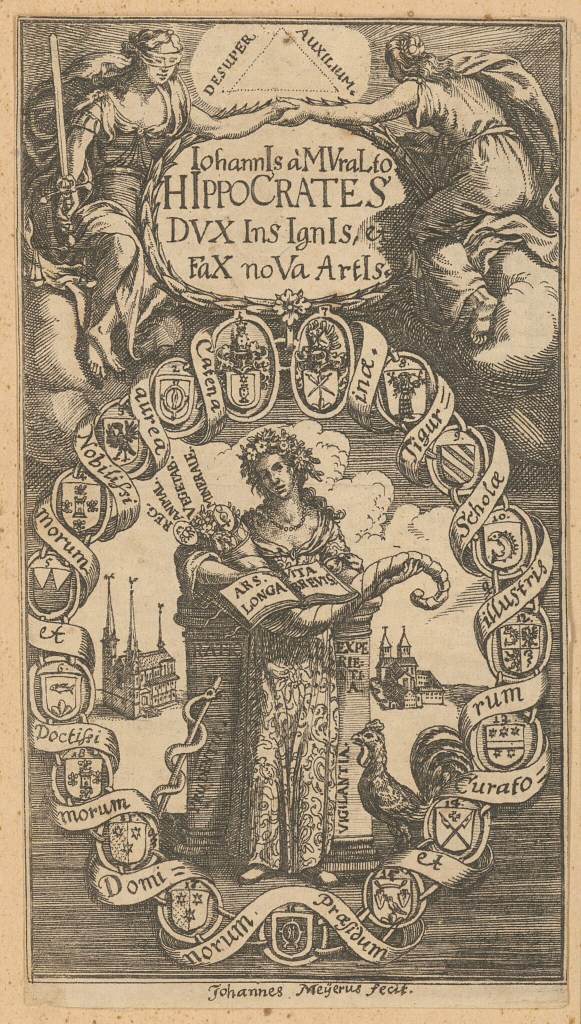
Once again, my minimal effort to double-check a quote resulted in a lot more reading than I intended. That quote – “Ars longa, vita brevis” (Art is long, life is short) is just part of a longer quote by Hippocrates (the pater of medica himself!), and I think it’s out of context.
My read of the quote had always been along the lines of “the artist may die, but art will live beyond them” – but that doesn’t seem to be what Dr. Hippo wanted to get across. The whole quote:
“Ars longa, vita brevis, occasio praeceps, experimentum periculosum, iudicium difficile.”
“Life is short, the art long, opportunity fleeting, experiment treacherous, judgement difficult”
Notable is how one should define “art” – not in the sense of a work of aesthetic beauty, but art as in a craft or skill. This is not a grand proclamation about art outlasting life (which is fine sentiment), but instead an observation on how challenging it is to get anything done in this life. You’ve only got so many years – and learning takes a while, plus you’re only at your prime briefly (if at all), and you’ve got to trust yourself to not screw it up. Thanks doc! To be fair, he actually said this:
Ὁ βίος βραχύς,
ἡ δὲ τέχνη μακρή,
ὁ δὲ καιρὸς ὀξύς,
ἡ δὲ πεῖρα σφαλερή,
ἡ δὲ κρίσις χαλεπή.
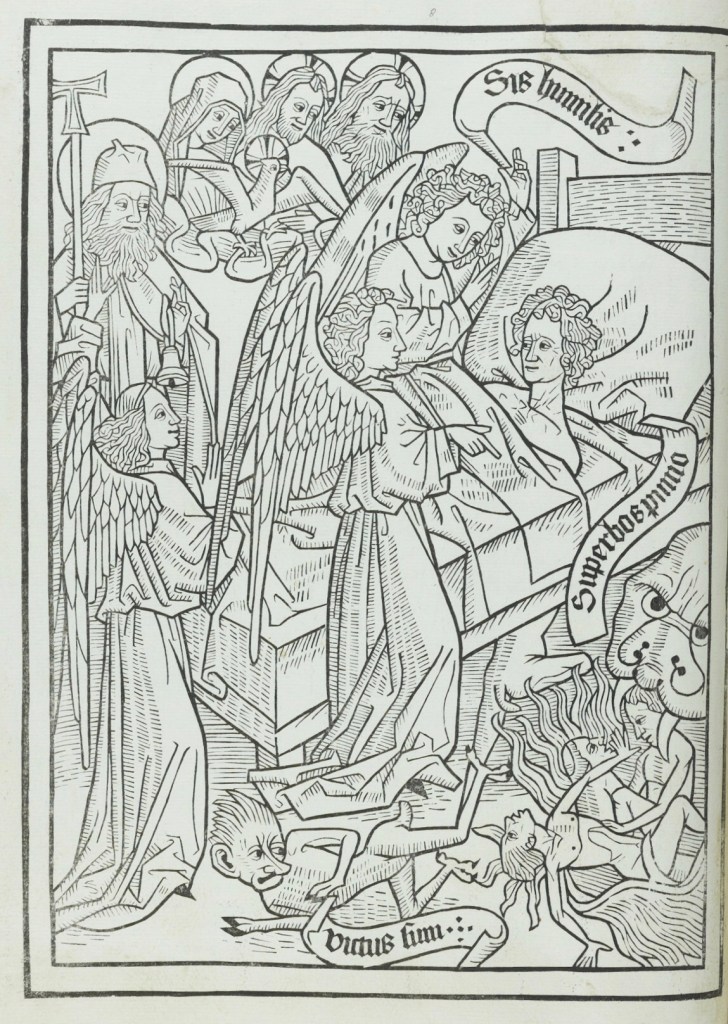
A few years later (roughly two thousand), a little book called Ars Moriendi was published. The Art of Dying – look at that correct usage of “art”. Not a great read – kinda cobbled together quotes from the bible and church fathers all about what to expect while dying, mostly in regards to temptations. But the woodcuts are a beauty to behold.
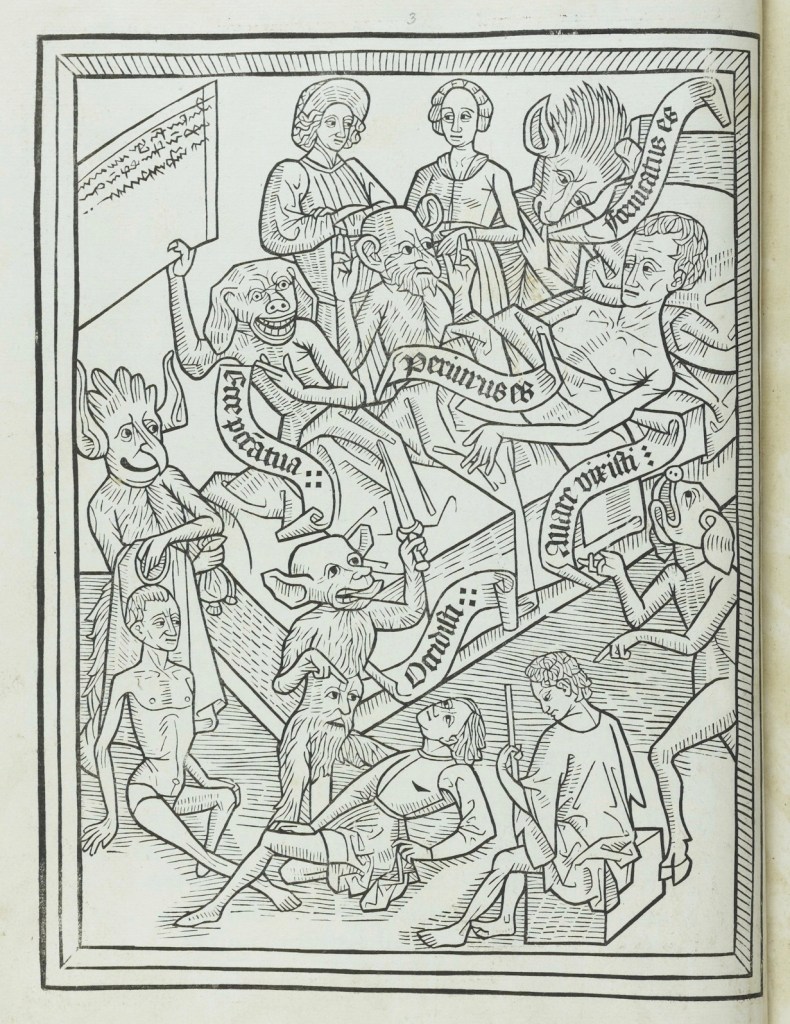

The book was written in the early 15th Century as a reaction to the Black Death from half a century before. Death was on the brain, and this book was not only to put the dying at ease, but also empowered others to help with the dying process, owing to a severe shortage of priests and other church certified folks who were those summoned to aid in the end of life.
Never hurts to start confronting death, wherever you are in life. So you can now quote me (in Latin):
Ars moriendi tota vita.
The art of dying takes your whole life.

Always be prepared to do undertaking in first-class style.
That’s a mantra. Way better than Metallica’s “My lifestyle determines my death style” line, which makes me laugh just thinking about it.

The Romans could have some fun with an epitaph.
This memorial was made for Marcus Caecilius.
Thank you, my dear guest, for stopping at my abode.
Good luck and good health to you. Sleep without a care.
Gravestone pictured above, c. 140 BCE
Isn’t that sweet?
A lot of Roman graves want to pull aside the living and give them a bit of insight. That insight being – “thanks for swinging by my grave – now go enjoy living!”
It’s an Epicurean approach – which isn’t the hedonistic free-for-all we’ve been lead to believe. It did prioritize pleasure, but in a much more mindful way – finding joy in the simple life. Not forever struggling and competing, but appreciating the only thing you really have – this life at this moment.
Hence the NFFNSNC vibe.
No? Not terribly catchy, but it stands for “Non Fui, Fui, Non Sum, Non Curo”
“I was not, I was, I am not, I care not.”
Supposedly the words of Epicurus, though probably not quite exact, as he was a Greek fella who spoke in, well, Greek.
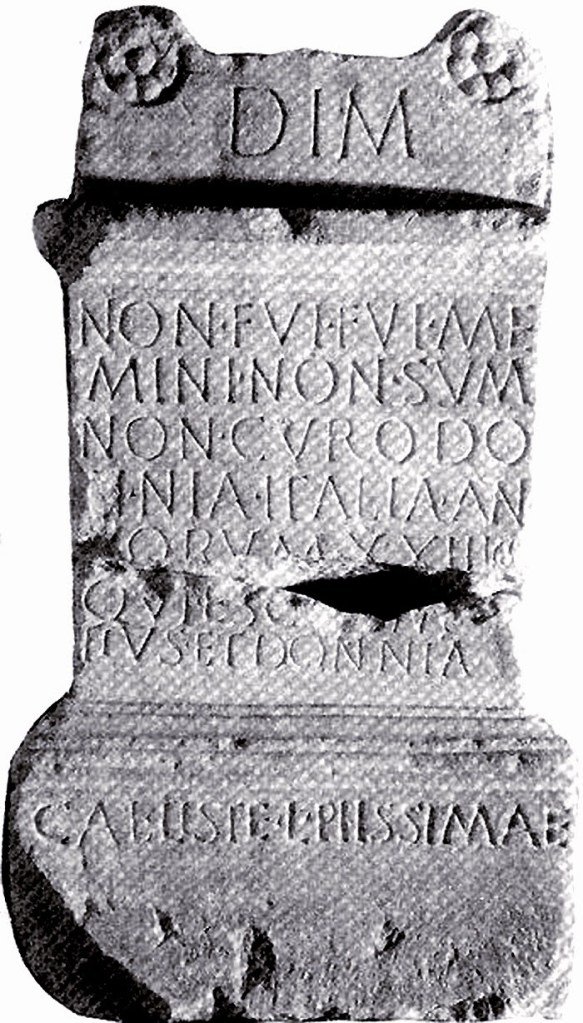
Imagine, next time you’re strolling through a graveyard or cemetery, that every tombstone there is saying, “Hey – thanks for visiting, but don’t forget to go live!” Not a bad way to honor both the departed and the living. Because you will “non cura” once you’re gone.
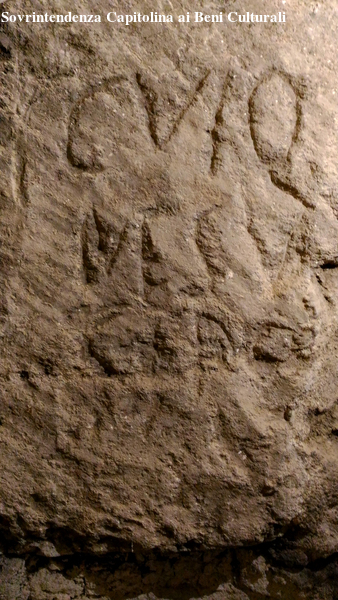
And if you can’t afford a nice tomb to affix your epitaph, a bit of graffiti can do the trick:
 Death Becomes You