
This isn’t a death doula gift guide or anything like that. I support any effort to promote the de-stigmatizing death, but I have no fashion tips or art suggestions or quirky knick-knacks to have around your place to celebrate death in our lives. Sorry.
Honestly – don’t buy new stuff. If you can, give people something you make or has meaning to you. Part of promoting a good death (and a good life) means re-framing priorities. Capitalism is not helping.
But perhaps you’re dead set on giving a unique gift.
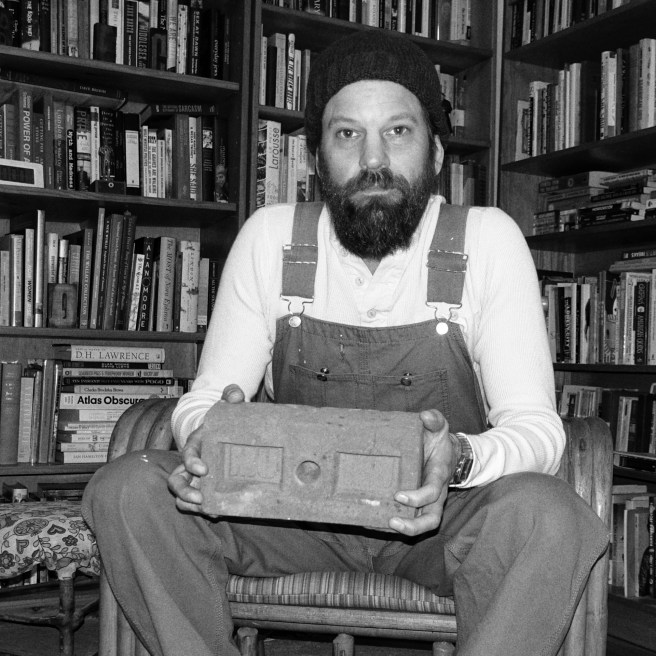
May I suggest a brick?
Get your friends and loved ones a brick! Get one for yourself, even!
Benefits of a Brick
- Each one is unique. None of the flawlessly dull or dully flawless elements of modern tech.
- Never needs charging.
- No updates. Depending on how you plan on using it, a “vintage” brick is just as effective as a brand new one.
- No subscriptions or plans to sign up for.
- And, if you’re like me, you probably only need one. No need to replenish!
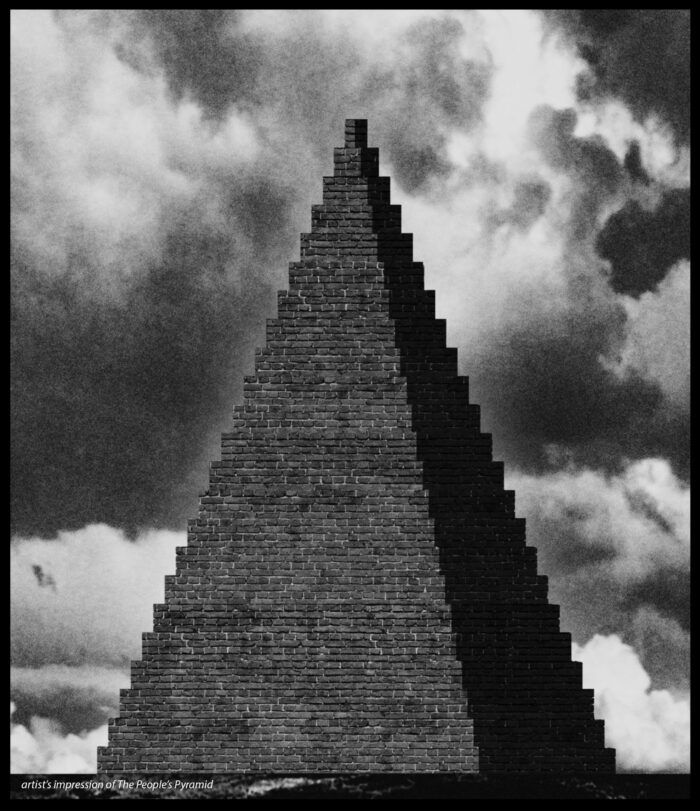
Now, it should be noted, I bought myself a higher-priced brick, but I also frame it as purchasing property and making an investment in the future. For now the brick is a nice/odd addition to the apartment. When I’ve died, 23 grams of cremated me goes into the hole in the middle of the brick, gets fired up, and the brick will then be part of the People’s Pyramid. It’s fun and weird and silly and creative. I highly recommend reading more about it.
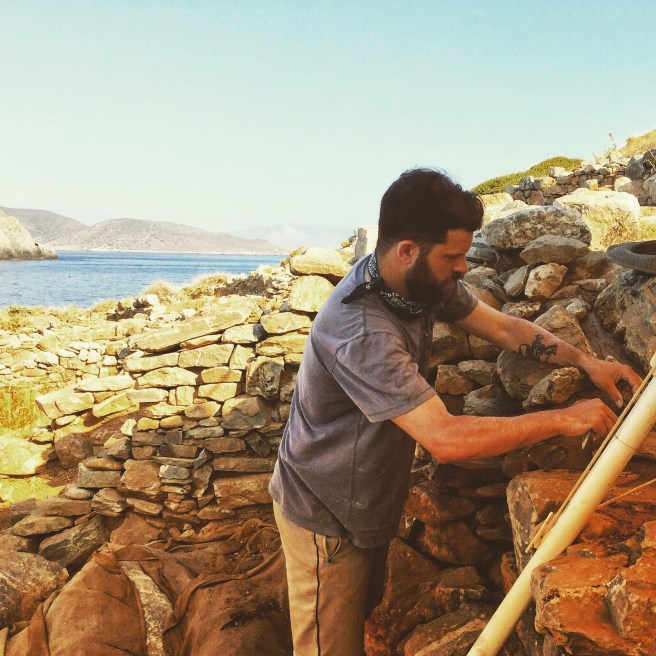
I’ve been thinking about bricks and gifts and building materials and death. A few years back I was working at a Minoan archeological site on a tiny Greek island called Mochlos. It was not a season for excavation, instead the focus was on shoring up these exposed walls. As it turns out, being buried makes for good protection from the elements; now that the walls are dug up, effort has to be put in to ensure they stay up. So, there I was, sweating in the sun somewhere in the Aegean, doing masonry work on walls that were first put up 5,000 years ago. Working with the same ancient bricks, with the same simple goal of wall building. Measured in bricks, the past isn’t so far away.
Sometimes it’s good to view time from a less-human perspective, or think about time in lifetimes that aren’t roughly 80 earth years. To think of time in tree-lives or brick-lives. Sometimes using precise measuring terms doesn’t quite get across how time feels.
You could point at a wall from an ancient (or even not so ancient) site and say, “these bricks have been around for hundreds or thousands of years, these bricks have seen countless events and leaders, and still they stand!“
Well, of course “still they stand!” It’s what bricks do. It’s why we still use them. Honestly, it’s the least remarkable thing about bricks. If a building stops standing, it’s rarely because the bricks stopped working.
Enjoy a simple brick as a memorial. It’s a (very) long term investment.
 Death Becomes You