
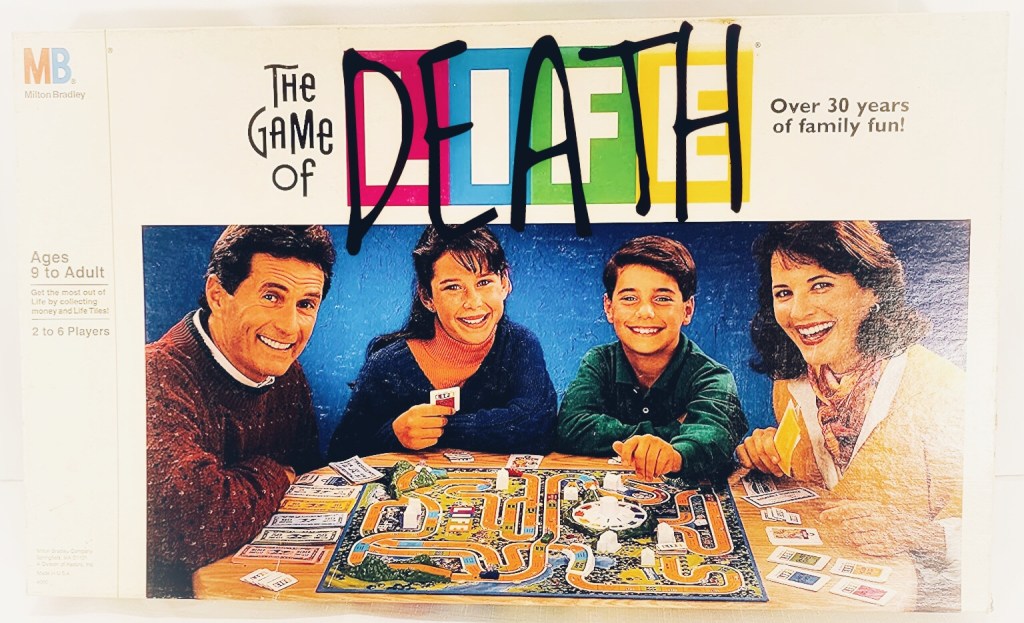
If you look up the ancient Egyptian board game Senet, you will find articles and essays referring to it as “board game of death” – as though that is the translation of “senet” (it is not – senet means “passing” or “afternoon”) or that the phrase “board game of death” is something we all know exists, but, like dark matter or bigfoot, we just haven’t seen it yet.

Senet, starting around 5000 BCE, spent many years not being the “board game of death”, but rather just the board game. In fact, archaeologists think it was about 2,500 years into it’s life when it took on a religious significance and a connection to the afterlife. Unlike a Ouiji board, senet was a game – you didn’t need an afterlife or spirits to enjoy it. And unlike Tarot, which evolved from game to fortune telling, senet seems to have never stopped being a game, even if people stopped seeing it that way. Senet is not a really a fun friend who can also contact the dead, instead it’s more akin to a seventy year old man having a religious experience and then suddenly THAT’S his whole identity.
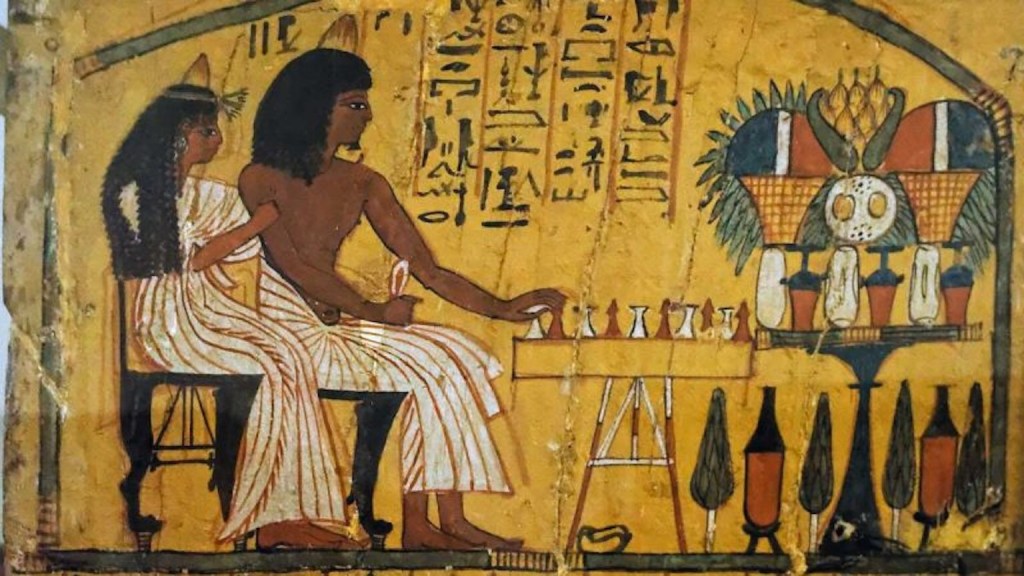
We also don’t quite know the rules, regardless of whether one is playing for fun or, I don’t know, soul (ka)? The vibe is backgammon-y, but there are some specifics we don’t know. Like, “what does the square with squiggly lines mean?” and “Do I play with or against my dead relatives?”
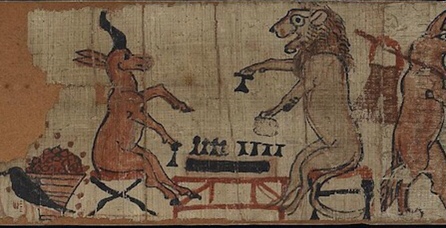
Ancient Egypt was a world where religion and social life and culture were all intertwined, so maybe it isn’t so surprising that there is such overlap of the spiritual and the social. Is America ready for a ghost-hunter / poker tournament reality show? I’m thinking yes. Scared Straight, perhaps?
 Death Becomes You